


The way people commute is evolving rapidly, and one of the biggest contributors to this transformation is the electric bike. With rising fuel prices, growing environmental concerns, and the need for smarter urban mobility, electric bikes have become a practical and eco-friendly alternative to traditional vehicles. Whether you’re navigating busy city streets or enjoying a relaxed weekend ride, an electric bike offers a perfect blend of convenience and sustainability.
Unlike conventional bicycles, an electric bike is equipped with a battery-powered motor that assists the rider while pedaling. This assistance makes cycling less physically demanding, allowing riders to travel longer distances without fatigue. As a result, electric bikes are gaining popularity among commuters, fitness enthusiasts, and even older adults who want to stay active without overexertion.
In this comprehensive guide, we’ll explore everything you need to know about electric bikes—from how they work and their benefits to choosing the right model and understanding costs. By the end, you’ll have a clear idea of whether an electric bike is the right investment for you.
What is an Electric Bike?
An electric bike, often referred to as an e-bike, is a bicycle integrated with an electric motor and battery system that assists in propulsion. Unlike scooters or motorcycles, it still requires pedaling, but the motor reduces the effort needed.
Most electric bikes come with different levels of pedal assistance, allowing riders to adjust how much help they receive from the motor. Some models also include a throttle feature, enabling the bike to move without pedaling. Popular brands like Hero Electric and Ola Electric have contributed significantly to making electric bikes more accessible in India.
The growing demand for electric bikes is also driven by advancements in battery technology, particularly lithium-ion batteries, which are lighter, more efficient, and longer-lasting.
How Does an Electric Bike Work?
Understanding how an electric bike functions can help you make a better purchasing decision. At its core, the system consists of three main components: the motor, the battery, and the controller.
The motor provides the necessary assistance when you pedal, while the battery stores the energy required to power the motor. The controller acts as the brain of the bike, regulating how much power is delivered based on your input. When you start pedaling, sensors detect the movement and activate the motor, providing a smooth and natural riding experience.
Modern electric bikes often include digital displays that show speed, battery level, and distance traveled. Some advanced models even offer smartphone connectivity, enhancing the overall riding experience.
Benefits of Using an Electric Bike
The popularity of the electric bike is not just a trend—it’s backed by numerous practical advantages. From cost savings to health benefits, electric bikes offer a compelling case for adoption.
One of the most significant advantages is reduced commuting costs. Compared to petrol-powered vehicles, an electric bike requires minimal maintenance and has extremely low running costs. Charging a battery is far cheaper than refueling a vehicle, making it an economical option for daily travel.
Another key benefit is environmental sustainability. Electric bikes produce zero emissions, helping reduce air pollution and carbon footprint. In urban areas struggling with pollution, this makes a meaningful difference.
Additionally, electric bikes promote a healthier lifestyle. While the motor assists with pedaling, riders still engage in physical activity, improving cardiovascular health without excessive strain.
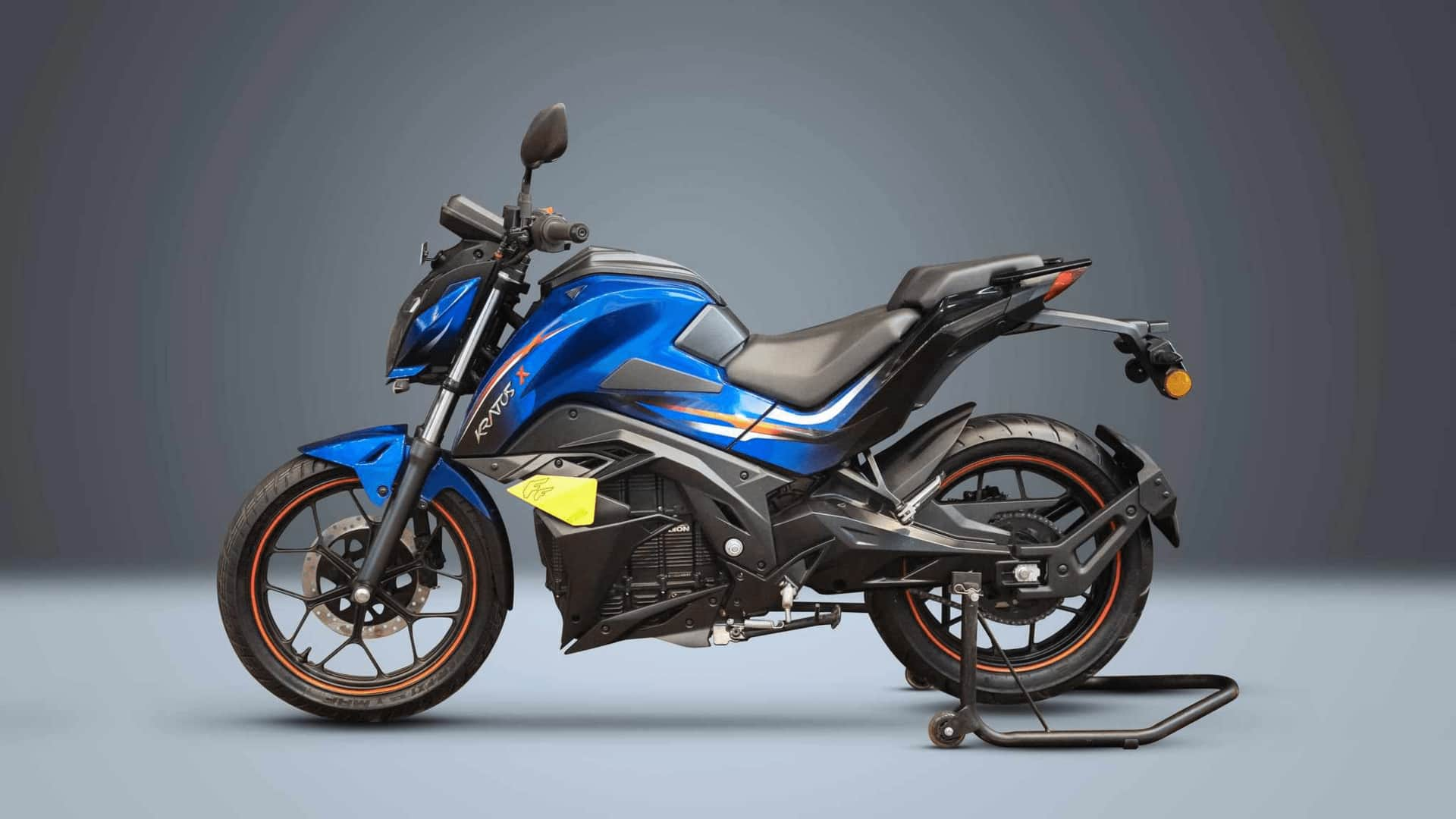
Types of Electric Bikes
Electric bikes come in various styles designed for different purposes. Choosing the right type depends on your usage and terrain.
1. Commuter Electric Bikes
These are designed for daily travel, offering comfort, efficiency, and reliability. They often include features like lights, racks, and mudguards, making them ideal for city use.
2. Mountain Electric Bikes
Built for off-road adventures, these bikes feature robust frames, powerful motors, and advanced suspension systems. They are perfect for riders who enjoy trails and rugged terrains.
3. Folding Electric Bikes
Compact and portable, folding electric bikes are ideal for people with limited storage space or those who combine cycling with public transport.
4. Hybrid Electric Bikes
A mix of commuter and mountain bikes, hybrid electric bikes offer versatility for both urban and light off-road use.
Key Features to Consider Before Buying
When purchasing an electric bike, it’s essential to evaluate certain features to ensure you get the best value for your money.
- Battery Capacity: Determines how far you can travel on a single charge.
- Motor Power: Higher wattage means better performance, especially on inclines.
- Range: Check the maximum distance the bike can cover per charge.
- Build Quality: A sturdy frame ensures durability and safety.
- Charging Time: Faster charging adds convenience for daily use.
These factors play a crucial role in determining the performance and usability of your electric bike.
Electric Bike vs Regular Bicycle
To better understand the advantages, let’s compare an electric bike with a traditional bicycle:
| Feature | Electric Bike | Regular Bicycle |
|---|---|---|
| Effort Required | Low (motor-assisted) | High |
| Speed | Moderate to high | Moderate |
| Cost | Higher upfront | Lower upfront |
| Maintenance | Moderate | Low |
| Environmental Impact | Zero emissions | Zero emissions |
This comparison highlights why many people are transitioning to electric bikes, especially for daily commuting.
Cost of Electric Bikes in India
The cost of an electric bike varies depending on brand, features, and battery capacity. In India, entry-level models start from around ₹25,000, while premium models can go up to ₹1.5 lakh or more.
Government incentives and subsidies under various EV policies have made electric bikes more affordable. Additionally, the long-term savings on fuel and maintenance often offset the initial investment.
Brands like Ather Energy are pushing innovation in the EV space, influencing the overall market, including electric bikes.
Maintenance and Lifespan
Maintaining an electric bike is relatively simple compared to motor vehicles. Regular checks on the battery, tires, and brakes are usually sufficient to keep it in good condition.
The battery is the most critical component, typically lasting between 3 to 5 years depending on usage and care. Proper charging habits and avoiding extreme temperatures can significantly extend battery life.
Unlike traditional bikes, electric bikes may require occasional software updates or professional servicing for the motor and electrical components.
Future of Electric Bikes
The future of the electric bike looks incredibly promising. With continuous advancements in battery technology, improved infrastructure, and growing environmental awareness, electric bikes are expected to become a mainstream mode of transportation.
Governments worldwide are promoting electric mobility through incentives and infrastructure development. In India, increasing investments in EV technology and manufacturing are making electric bikes more accessible and affordable.
As urban congestion increases, electric bikes offer a practical solution for efficient and sustainable commuting. Their ability to combine convenience, affordability, and eco-friendliness positions them as a key player in the future of mobility.

FAQs
1. Is an electric bike worth buying?
Yes, an electric bike is worth buying if you want a cost-effective, eco-friendly, and convenient mode of transportation. It reduces commuting effort while saving money on fuel and maintenance.
2. How far can an electric bike go on a single charge?
Most electric bikes offer a range between 40 to 100 kilometers per charge, depending on battery capacity, terrain, and riding mode.
3. Do electric bikes require a license in India?
Electric bikes with a motor power below 250W and a speed limit of 25 km/h do not require a license or registration in India.
4. How long does it take to charge an electric bike?
Charging time typically ranges from 3 to 6 hours, depending on the battery size and charger type.
5. Can I ride an electric bike without pedaling?
Some models offer a throttle mode, allowing you to ride without pedaling, while others require pedal assistance.
Conclusion
The electric bike is more than just a trend—it represents a shift toward smarter, cleaner, and more efficient transportation. With its ability to reduce costs, minimize environmental impact, and enhance riding comfort, it’s no surprise that more people are embracing this innovative solution.
Whether you’re a daily commuter, a fitness enthusiast, or someone looking to reduce your carbon footprint, an electric bike offers unmatched versatility. As technology continues to evolve and infrastructure improves, the adoption of electric bikes will only accelerate.
Read More:-Jawa Bike Guide: Features, Models, Price & Buying Tips